
Best Time to Visit Jhansi: Weather Month by Month
Quick answer
October to March is the best time to visit Jhansi, and November, December and February are the most comfortable months, with average highs of about 25 to 30 °C and almost no rain. May is the hottest month, averaging 42.5 °C, while July and August bring most of the monsoon rain.
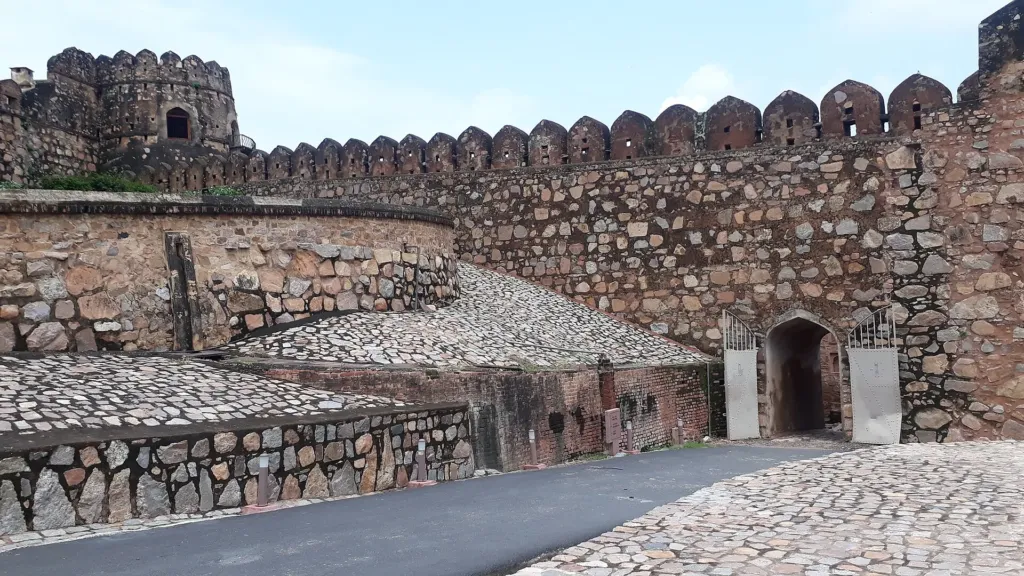
Jhansi sits on the plains of Bundelkhand in southern Uttar Pradesh, and its weather has strong moods. Winter mornings can be cool enough for a shawl, while May afternoons regularly cross 40 °C. The monsoon brings most of the year’s rain in just three months. When you visit changes everything: how long you can spend walking around Jhansi Fort, whether a day trip to Orchha is pleasant or exhausting, and what you need to pack.
This guide goes month by month using the India Meteorological Department’s long-term averages for Jhansi (the 1991–2020 climate normals, as published on Wikipedia), so you can pick dates that suit your trip, whether you are coming for sightseeing, a family wedding or work.
What is the best time to visit Jhansi?
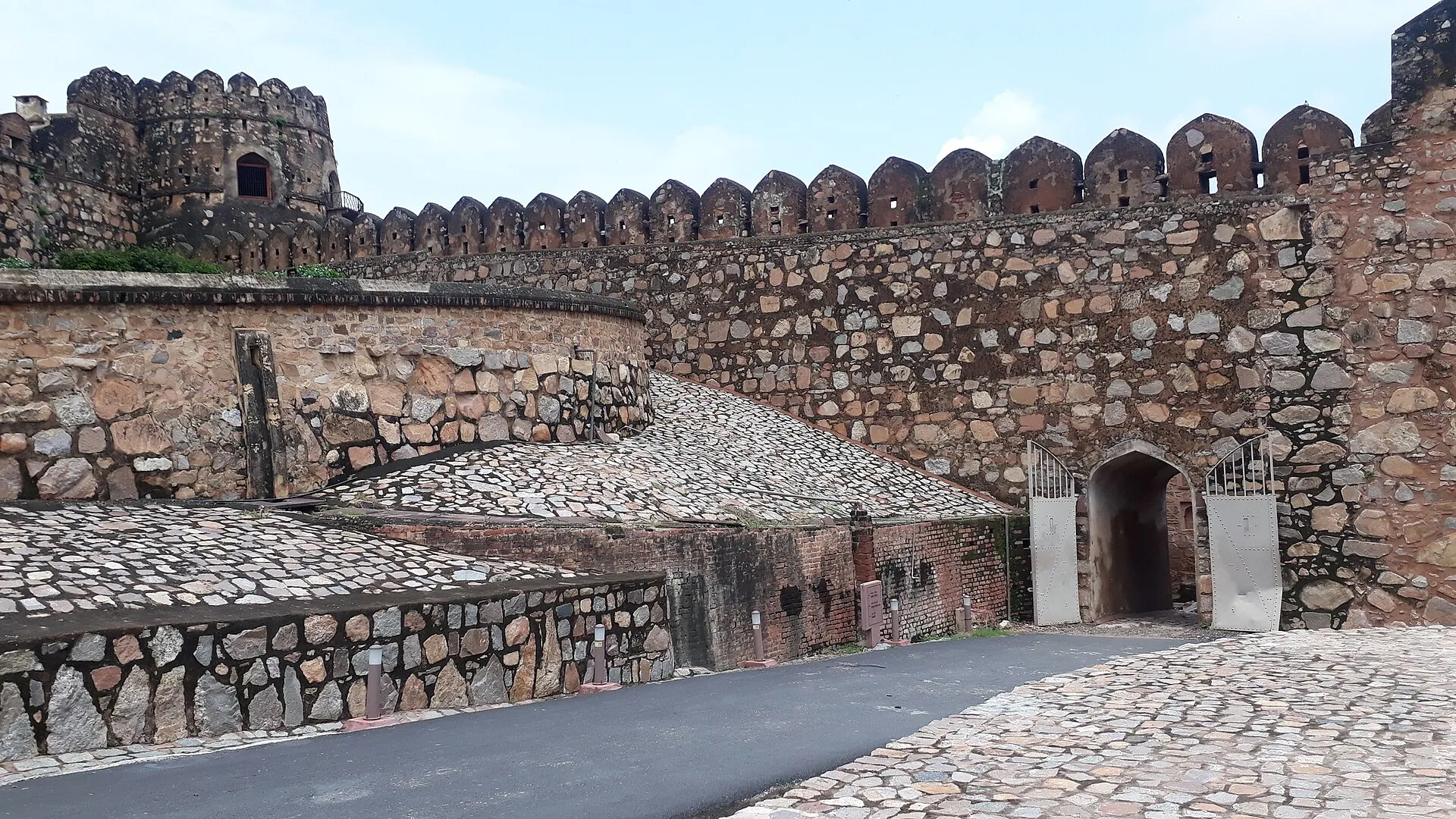
For most travellers, October to March is the best time to visit Jhansi. Daytime highs from November to February average between about 23 °C and 30 °C, rain is rare, and the skies are mostly clear. This is the season for long walks around the fort, Rani Mahal and the old city, and for day trips to Orchha and Datia.
Within that window, November, December and February are the most comfortable. January is the coolest month, with an average minimum of 8.6 °C, so early mornings and late evenings feel cold. October and March are pleasant in the mornings but already warm by the afternoon.
Jhansi weather month by month
The table below shows IMD averages for Jhansi. “Rainy days” counts days with meaningful rainfall.
| Month | Avg high (°C) | Avg low (°C) | Rain (mm) | Rainy days | What it feels like |
|---|---|---|---|---|---|
| January | 22.8 | 8.6 | 10.7 | 1.0 | Cool, cold mornings and nights |
| February | 27.3 | 11.9 | 13.8 | 1.1 | Pleasant days, cool nights |
| March | 33.9 | 17.3 | 8.6 | 0.8 | Warming up, dry |
| April | 39.7 | 23.2 | 5.0 | 0.6 | Hot and very dry |
| May | 42.5 | 27.4 | 15.7 | 1.6 | Hottest month, harsh afternoons |
| June | 40.2 | 27.9 | 95.8 | 5.7 | Very hot until the monsoon arrives |
| July | 34.2 | 25.6 | 251.9 | 11.9 | Wettest stretch, humid |
| August | 32.3 | 24.6 | 248.5 | 12.4 | Frequent rain, green landscape |
| September | 33.4 | 23.9 | 149.0 | 7.1 | Rain easing, still humid |
| October | 34.3 | 20.3 | 23.0 | 1.3 | Warm days, cooler nights |
| November | 30.1 | 14.8 | 5.0 | 0.4 | Pleasant and dry |
| December | 24.9 | 10.2 | 4.3 | 0.4 | Cool and clear |
Across the year, Jhansi gets an average of about 831 mm of rain over roughly 44 rainy days, and July and August alone account for about 500 mm of that. The city sits at an elevation of about 285 metres.
Winter in Jhansi (November to February): is it the best season?
Yes, for sightseeing and outdoor events. According to Wikipedia’s account of Jhansi’s climate, winter sets in from October as the southwest monsoon retreats and peaks around mid-December. Jhansi gets almost no winter rain.
What to expect
- Days: mild to pleasantly warm, with averages of 23–30 °C. Good for walking.
- Nights and early mornings: cool to cold. December and January averages fall to around 9–10 °C, and the record low for December is 0.3 °C.
- Skies: mostly clear, which suits photography at the fort and at Orchha.
- Travel: winter fog across the plains of north India can disrupt travel on some mornings. If you are coming by train, check live running status on the Indian Railways National Train Enquiry System before leaving for the station.
What to pack
- A warm jacket or shawl for mornings and evenings
- Light layers for the daytime
- Comfortable walking shoes for the fort ramparts and uneven paths
- Moisturiser and lip balm; the air is dry
Winter is also the main wedding and function season in Bundelkhand. If you are coming for a wedding, our guide to planning a winter wedding in Bundelkhand covers what hosts should keep in mind for cold evening functions.
Is summer (March to June) a good time to visit Jhansi?
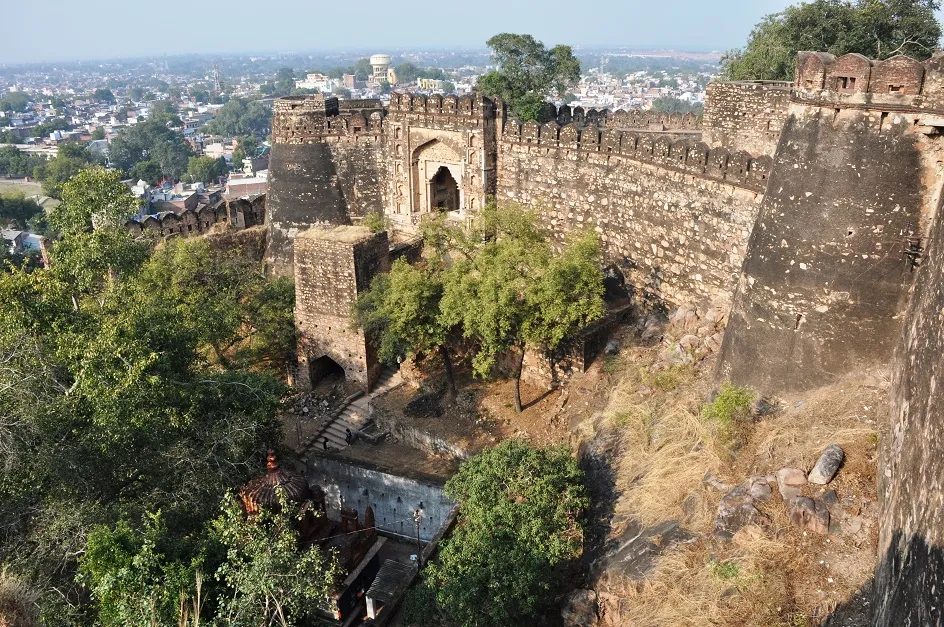
Summer is the hardest season for sightseeing. Spring is short and arrives by the end of February; by April, average highs are close to 40 °C, and May averages 42.5 °C. The highest temperature on record for Jhansi is 49.3 °C, set in May. Humidity in April and May is very low, so the heat is dry and dehydrating.
If you must travel in summer, for work or a family function, you can still manage well:
- See outdoor sites such as the fort early in the morning, ideally soon after opening.
- Spend the afternoon indoors, in a museum or in your air-conditioned room.
- Head out again in the evening, once the sun is lower.
- Carry water, wear a hat or cap, use sunscreen and choose loose cotton clothing.
- Keep an eye on IMD heatwave advisories on the official IMD website.
The upside of summer is fewer visitors at the monuments and generally less demand for rooms.
What is the monsoon like in Jhansi (July to September)?
The monsoon usually reaches Jhansi by around the third week of June, although the date varies from year to year. It weakens through September. July and August are the wettest months, each with about 250 mm of rain spread over roughly 12 rainy days.
Rain does not fall all day, every day. Many days have a heavy shower followed by dry spells. The heat drops sharply compared with May, and the countryside around Jhansi, Orchha and the Betwa river turns green.
Monsoon travel tips
- Carry an umbrella or a light raincoat and quick-dry footwear.
- Stone steps and paths at forts and temples can be slippery after rain.
- Plan flexible days, so a heavy shower does not upset your whole itinerary.
- Rivers rise in the monsoon. Follow local advice and any official notices near the Betwa and other water bodies.
When is the best time for a day trip to Orchha or Datia?
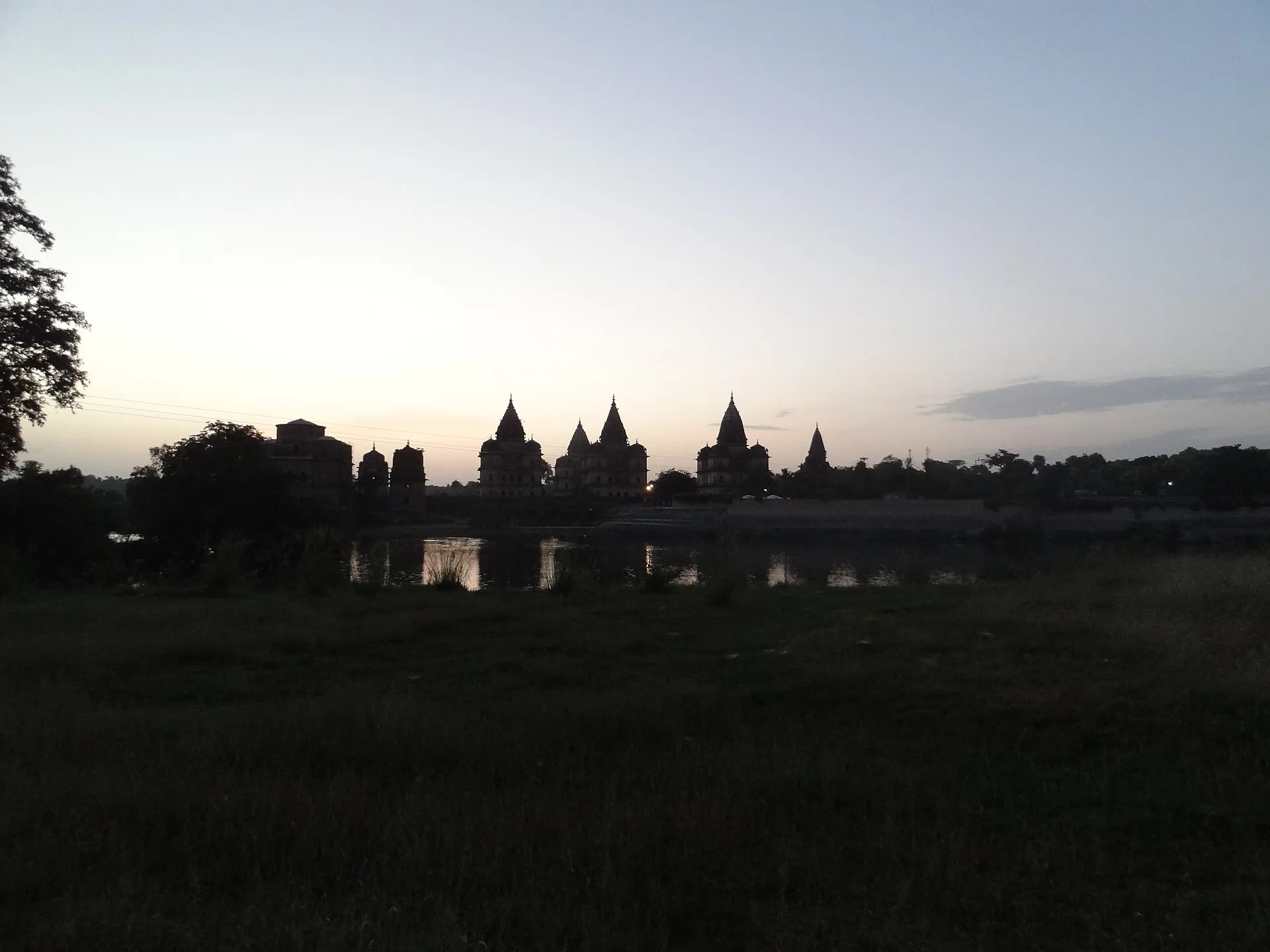
Orchha and Datia are both popular day trips from Jhansi, and both involve a lot of walking through palaces, temples and riverside cenotaphs. The same seasonal pattern applies:
| Season | Orchha and Datia day trips |
|---|---|
| November–February | Ideal. Start mid-morning after the chill lifts, and stay for sunset at the chhatris by the Betwa. |
| March and October | Good. Start early and plan a long lunch break indoors. |
| April–June | Possible but tiring. See the main sites by late morning and return to Jhansi for the afternoon. |
| July–September | Green and scenic, but check the weather and allow extra travel time. |
For planning details, see our Orchha day trip guide, our Datia day trip guide and our Jhansi Fort guide. For opening hours and ticket prices at monuments, check the official ASI or state tourism site before you go, as these can change.
Which months suit which kind of trip?
- Heritage sightseeing: November to February, followed by October and March.
- Photography: November to January for clear skies; August and September for green landscapes and dramatic clouds.
- Weddings and family functions: the winter months are the busiest season, so book rooms and venues early.
- Business travel: any month works if your schedule is mostly indoors; plan site visits for mornings from April to June.
- Budget travel: summer and the monsoon tend to be quieter, though you should weigh this against the heat or rain.
If you only have a weekend, our two-day Jhansi itinerary works best between October and March.
Staying in Jhansi in any season
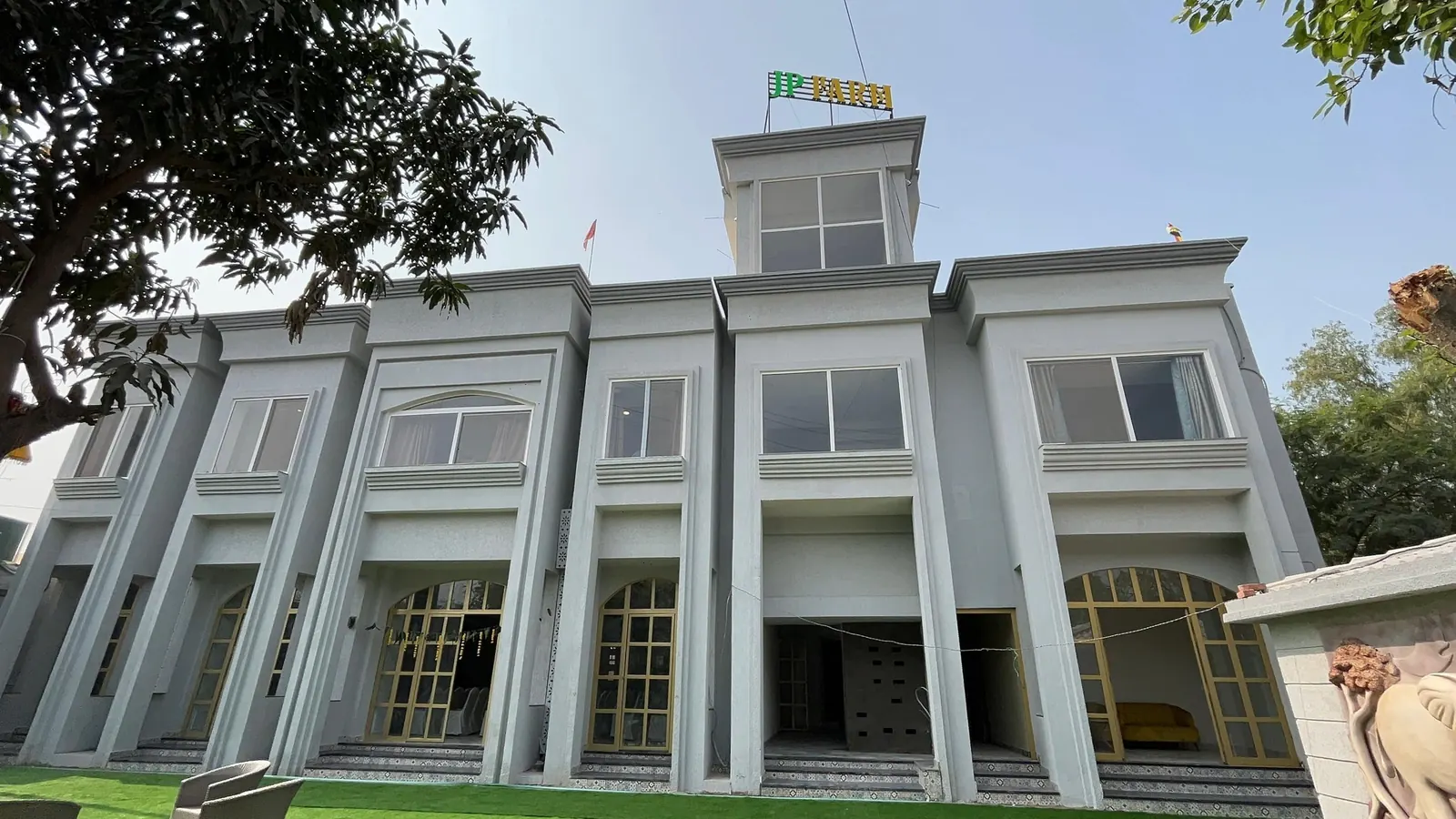
Whatever month you choose, a comfortable base makes a big difference: a warm room after a cold winter evening, or a cool one after a hot afternoon at the fort. Hotel J P Farm is on Gwalior Road, Jhansi, and all 15 of our rooms are air-conditioned. They come in four types: Deluxe, Executive, Family, and a Premium Room with Jacuzzi. Guests get free Wi-Fi, ample parking, room service and an in-house multi-cuisine restaurant, and there is a swimming pool beside the lawn. Check-in is at 12 noon and check-out at 11 am.
You can compare rooms and book directly on our rooms page, paying in full or with a 30% advance by UPI, card or net banking. For help with dates, call or WhatsApp 9935677964 or 7525934333.
Frequently asked questions
Which is the best month to visit Jhansi?
November, December and February are the most comfortable months, with average highs of about 25–30 °C and almost no rain. January is also good, but its average low of 8.6 °C makes mornings and nights cold.
How hot does Jhansi get in summer?
Very hot. May is the hottest month, with an average high of 42.5 °C, and the highest temperature on record is 49.3 °C. April and June are also very hot, so plan sightseeing for early mornings and evenings.
When does the monsoon arrive in Jhansi?
The monsoon usually arrives around the third week of June, although the date varies each year. July and August are the wettest months, and the rain eases through September.
Does it get cold in Jhansi in winter?
Yes, especially in December and January, when average lows are around 9–10 °C and the record low is 0.3 °C. Days are usually pleasant, so pack layers and a warm jacket for evenings.
Can I visit Jhansi in the monsoon?
Yes. Rain usually comes in heavy showers with dry spells in between, and the countryside turns green. Carry rain gear, wear good footwear on stone steps, and keep your plans flexible.
How much rain does Jhansi get in a year?
IMD’s 1991–2020 averages show about 831 mm a year over roughly 44 rainy days. Nearly all of it falls between June and September.
Is Jhansi a good place for a winter wedding?
Winter is the most popular wedding season in the region because days are pleasant and dry. Evenings get cold, so plan warm seating areas for elders and confirm the venue’s arrangements early.
Sources: Jhansi, Wikipedia (climate data from India Meteorological Department, 1991–2020); India Meteorological Department; National Train Enquiry System, Wikipedia; NTES, Indian Railways.
We run 15 rooms, 2 banquet halls, 2 garden lawns and a restaurant on Gwalior Road, Jhansi, and host weddings and parties every season. These guides come from what our guests ask us most.
Keep reading
Jhansi Travel
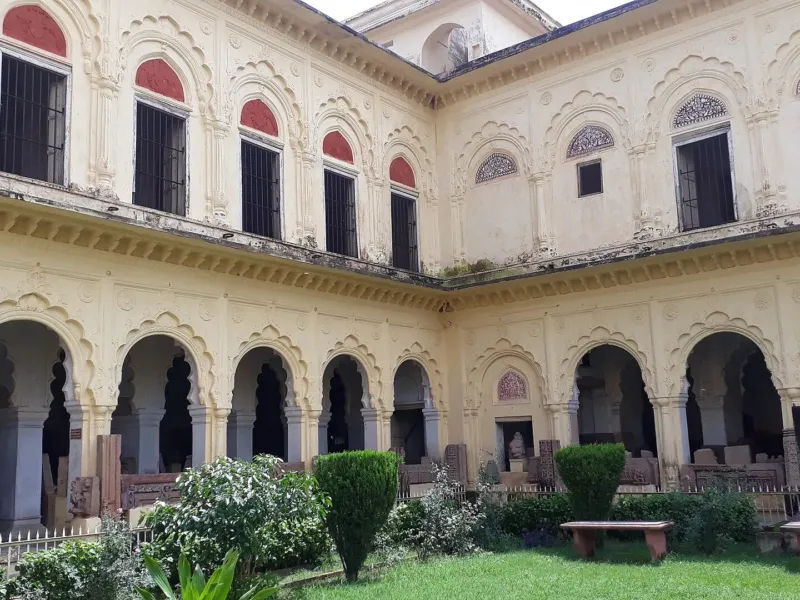
Rani Mahal, Jhansi: Visitor Guide
Jhansi Travel
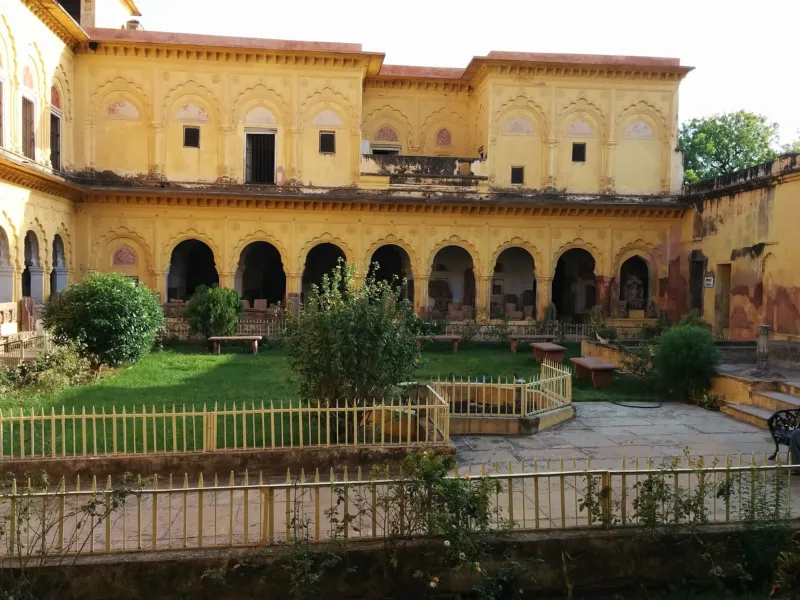
Two Days in Jhansi: A Simple Itinerary


Jhansi Travel