
Jhansi Fort: History, Timings and How to Visit
Quick answer
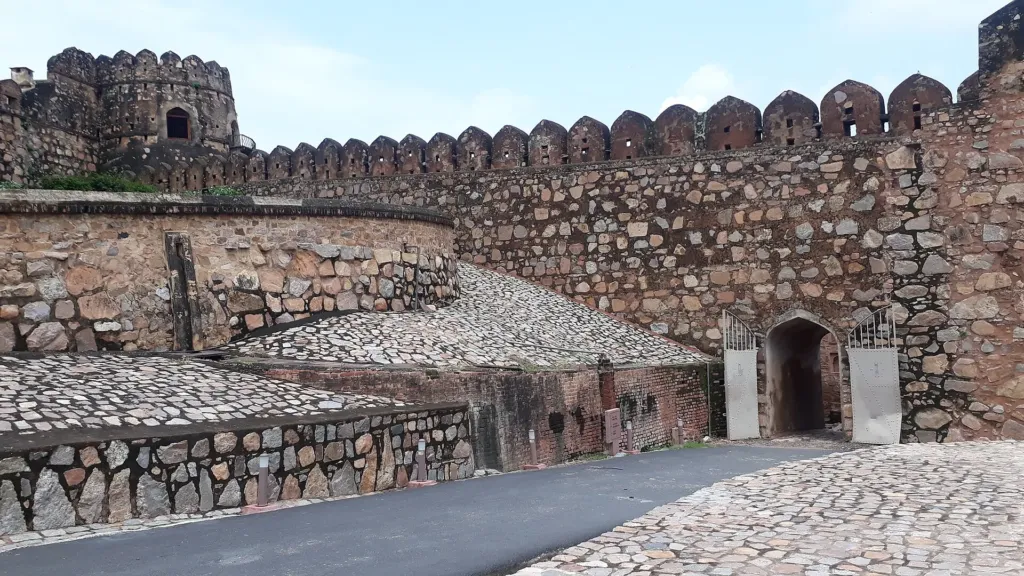
Jhansi Fort was built by Raja Bir Singh Deo of Orchha on Bangra hill in the early 1600s and is famous for Rani Lakshmibai's stand in 1857 to 1858. It is ASI-protected, listed as open 7 am to 6 pm, and best visited between October and March. Allow about two hours.
Jhansi Fort is the reason most visitors put Jhansi on their map. It sits on a rocky hill in the middle of the city, its granite walls visible from many streets around it, and it holds the story of Rani Lakshmibai and the siege of 1858, one of the best-known chapters of the 1857 uprising.
This guide covers what you need before you go: a short, verified history of the fort, what to look for inside, practical visiting tips, how to plan the rest of your day around it, and answers to the questions visitors ask most. Where an official detail such as a ticket price changes from time to time, we tell you where to check it.
Where is Jhansi Fort and why is it important?
The fort stands on a rocky hill called Bangra, in the heart of Jhansi city in the extreme south of Uttar Pradesh. Jhansi is often called the gateway to Bundelkhand, and the fort was the seat of power that controlled this route for centuries.
The Jhansi district administration describes it as one of the most important centres of resistance to British colonial rule during the Revolt of 1857. Today it is protected by the Archaeological Survey of India (ASI) as a Monument of National Importance, listed under the ASI’s Lucknow circle.
Who built Jhansi Fort, and when?
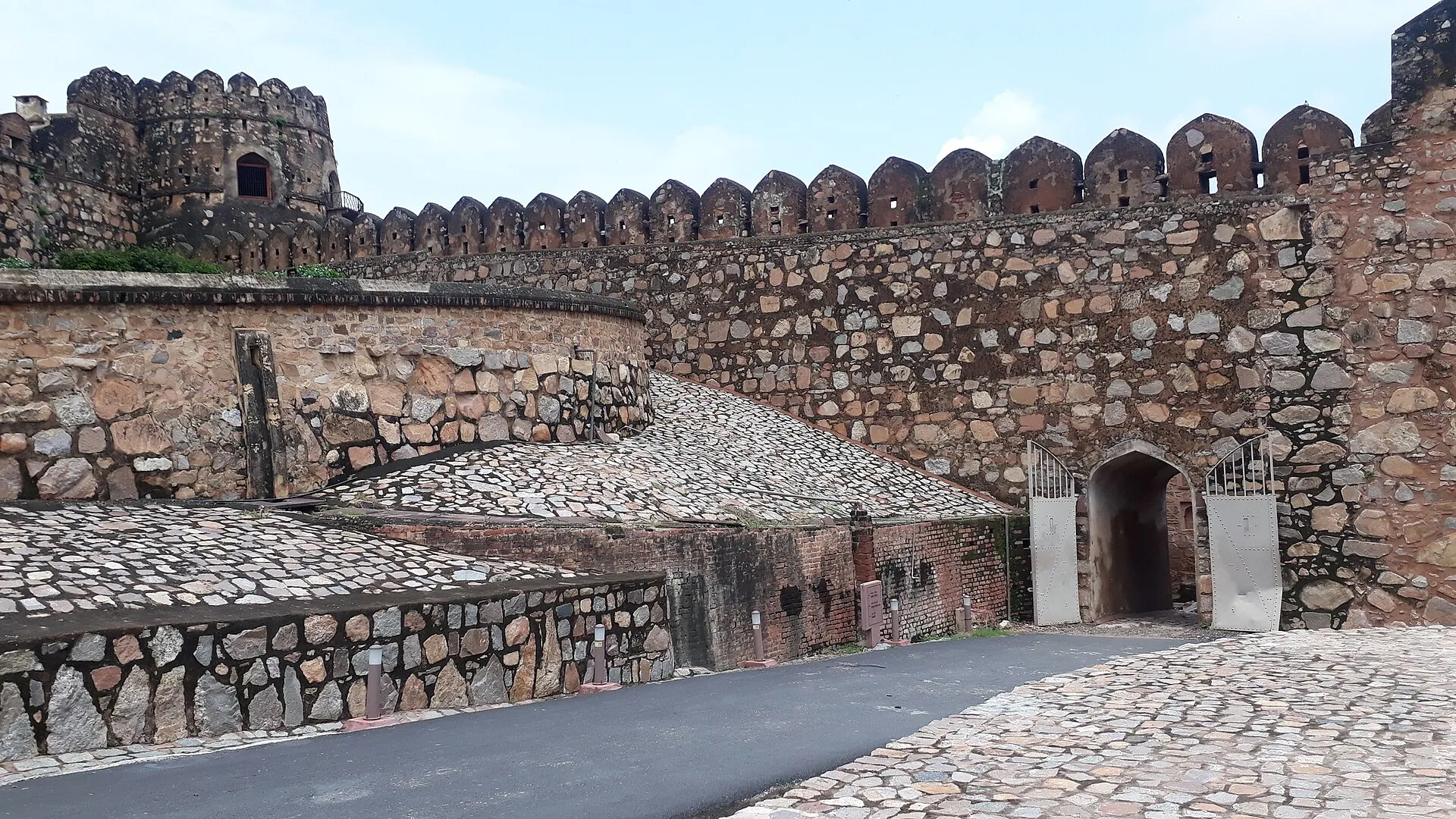
The fort was built by Raja Bir Singh Deo of Orchha. The district administration places it in his reign of 1606 to 1627, and Wikipedia gives the year as 1613. At the time the settlement was known as Balwantnagar; a town grew up around the fort over the following decades.
The fort changed hands several times after that. These are the key dates, drawn from Wikipedia and the Jhansi district website:
| Year | What happened |
|---|---|
| 1606 to 1627 | Fort built by Raja Bir Singh Deo of Orchha on Bangra hill (1613 per Wikipedia) |
| 1731 | Chhatrasal leaves Jhansi to Peshwa Baji Rao I in his will |
| 1742 | Naru Shankar appointed governor; he expands the town and the fort (the extension is called Shankargarh) |
| 1842 to 1853 | Gangadhar Rao rules Jhansi State; he marries Lakshmibai in 1842 |
| March 1854 | After Gangadhar Rao’s death, the British refuse to recognise his adopted son Damodar Rao under the Doctrine of Lapse and take control |
| June 1857 | Revolt breaks out; Lakshmibai takes control of Jhansi |
| March to April 1858 | Forces under Sir Hugh Rose besiege the city; the fort is captured in early April |
| Night of 4 to 5 April 1858 | Lakshmibai escapes and rides towards Kalpi |
| 1861 | The British give the fort and city to Jayajirao Scindia of Gwalior, in exchange for Gwalior Fort |
| 1886 | The British take Jhansi back from Gwalior State |
What happened at Jhansi Fort in 1857 and 1858?
When Gangadhar Rao died in November 1853, the East India Company refused to accept Damodar Rao, the boy he had adopted, as heir. The British took over the state in 1854. When the rebellion reached Jhansi in June 1857, Lakshmibai took charge of the city and the fort.
In late March 1858, British forces under Sir Hugh Rose surrounded Jhansi. The city was stormed in the first days of April, and the fort was taken. Lakshmibai escaped during the night of 4 to 5 April, reportedly with her adopted son tied to her, and rode towards Kalpi with a band of soldiers. She died in battle near Gwalior in June 1858. Rose himself later described her in his report as the “best and bravest” of the rebels.
The famous story of the Rani jumping from the fort walls on horseback is marked inside the fort with a memorial board. Wikipedia notes that accounts of the escape differ: one tradition describes the jump, while a British account says she was lowered down. The line most people associate with her, “I will never give up my Jhansi”, is traditionally attributed to her, but Wikipedia records that it was written for Vrindavan Lal Verma’s 1946 novel. You can follow more of her story in our guide to places in Jhansi linked to Rani Lakshmibai.
How big is the fort, and how is it built?
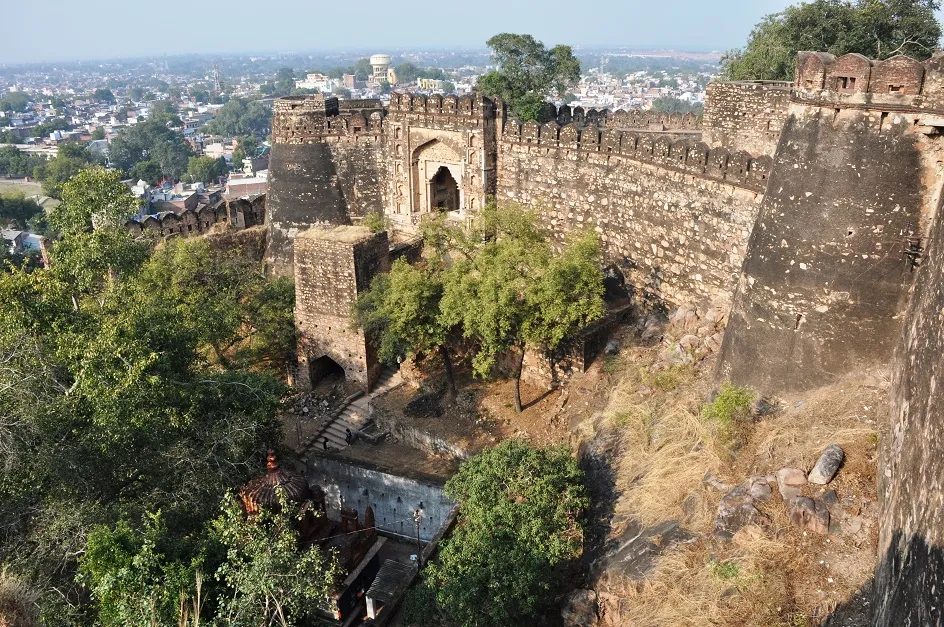
According to Wikipedia, the fort covers about 15 acres, roughly 312 metres long and 225 metres wide, and stands at an elevation of about 285 metres. Its granite walls are between 16 and 20 feet thick, and it was once surrounded by a moat. After 1858 the British rebuilt the damaged eastern side and added a floor to the Panch Mahal.
The fort has ten gates. Among the names recorded by the district administration and Wikipedia are the Datia, Unnao, Laxmi, Sagar, Orchha, Sainyar and Chand gates, along with the Khanderao gate.
What should you see inside Jhansi Fort?
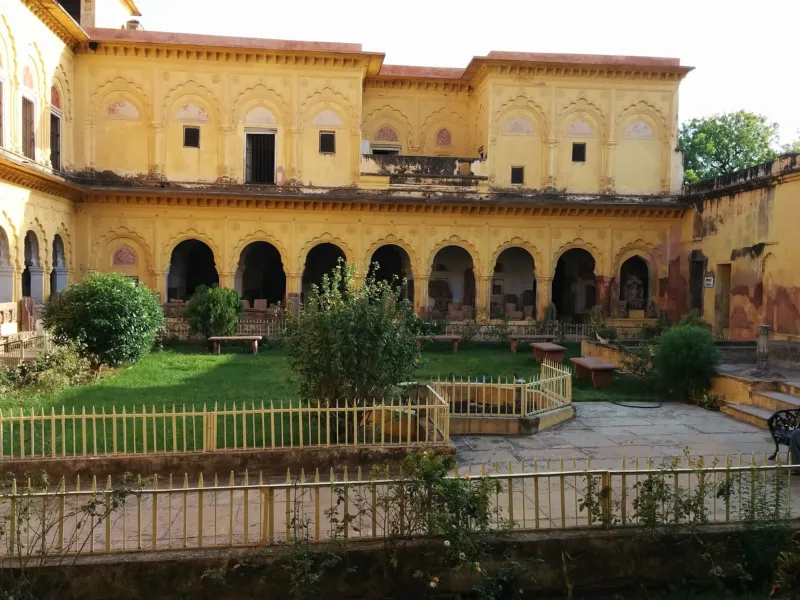
The fort is not a single building but a hilltop enclosure, so give yourself time to walk around the ramparts as well as the main sights. Look out for:
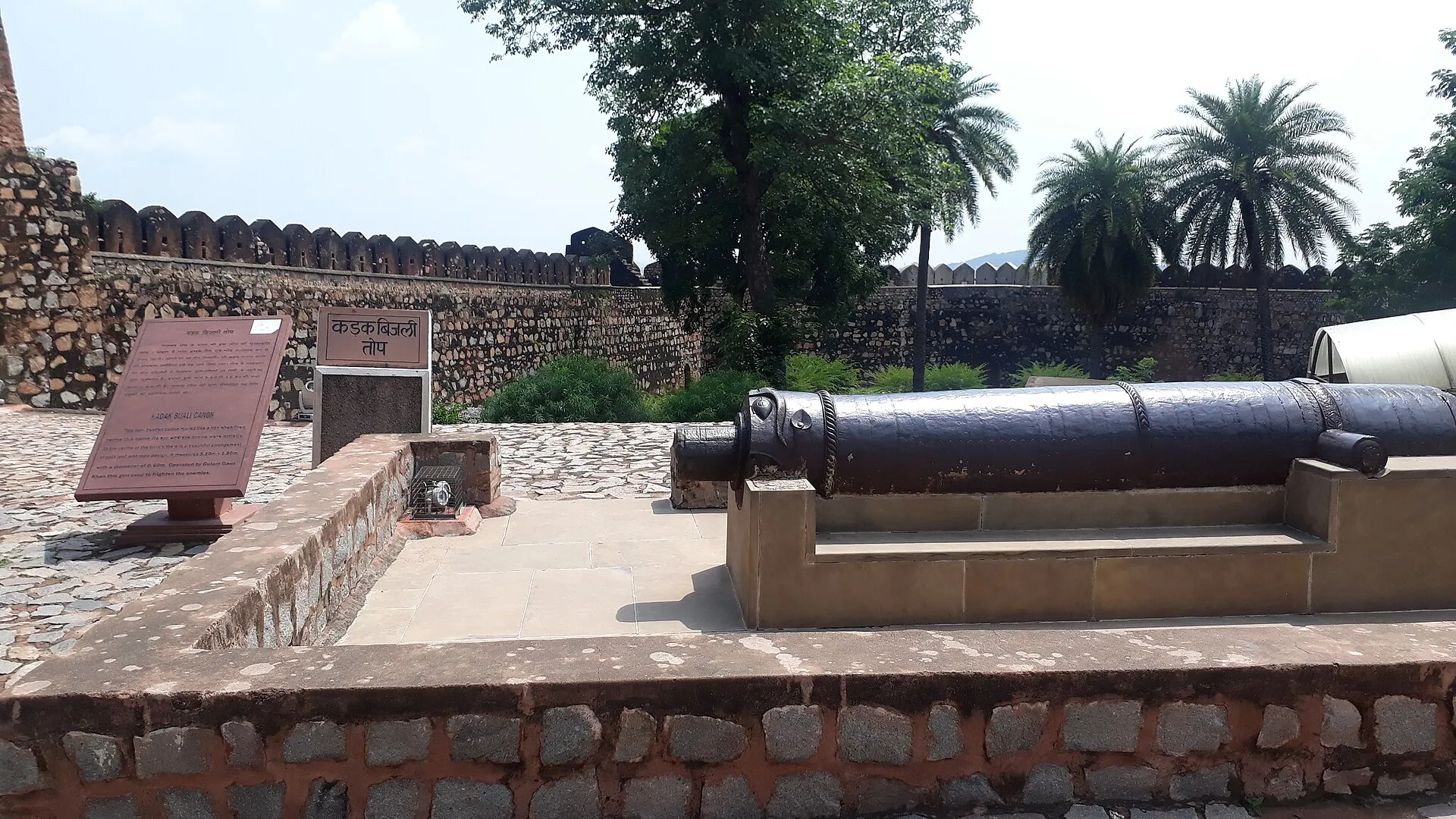
- Kadak Bijli (Karak Bijli) cannon. The fort’s best-known cannon, used during the 1857 uprising.
- The jumping spot. A memorial board marks the place associated with the Rani’s escape on horseback.
- Shiva temple and Ganesh temple. The Ganesh temple stands near the entrance, and a Shiva temple sits within the walls.
- Rani Jhansi Garden. A garden area inside the fort listed by the district administration as a place of interest.
- Mazars of Ghulam Gaus Khan, Moti Bai and Khuda Baksh. Tombs within the fort, listed by the district administration among its places of interest.
- Sculpture collection. The district website notes a collection of sculptures that sheds light on the history of Bundelkhand.
- Views from the ramparts. The walls give a wide view over Jhansi city and the surrounding plains.
What are Jhansi Fort’s timings and ticket prices?
Wikipedia lists the fort as open to the public from 7 am to 6 pm. The fort is an ASI-protected monument, and ASI follows a two-tier ticket system, with separate rates for Indian nationals (and visitors from SAARC and BIMSTEC countries) and for foreign nationals. Because fees and hours are revised from time to time, check the official ASI website before you go, and keep some cash as well as a UPI app ready at the counter.
Practical tips for your visit
- Go early or late. Morning and late afternoon are the most comfortable times to walk the ramparts, particularly between April and June.
- Wear good shoes. Expect slopes, steps and uneven stone paths.
- Carry water and a cap. Shade is limited on the walls.
- Allow enough time. Two hours is comfortable for the main sights; history lovers will want more.
- Respect the monument. Do not climb on fragile walls or write on surfaces; it is a protected site.
When is the best time to visit Jhansi Fort?
October to March is the most pleasant period. Wikipedia’s climate data for Jhansi shows summer starting by April, with temperatures that can peak at 47 °C in May. The monsoon usually arrives by the third week of June and eases in September. Winter begins in October and peaks in mid-December, when minimums can drop to about 4 °C, so carry a warm layer for early mornings.
| Season | Months | What to expect at the fort |
|---|---|---|
| Winter | October to March | Pleasant days, cold mornings; best for walking the ramparts |
| Summer | April to mid-June | Very hot afternoons; visit at opening time |
| Monsoon | Late June to September | Green surroundings, slippery stone in rain |
If you can time your trip for January or February, look out for Jhansi Mahotsav, an annual festival with performances by artists. Our month-by-month guide to the best time to visit Jhansi goes into more detail.
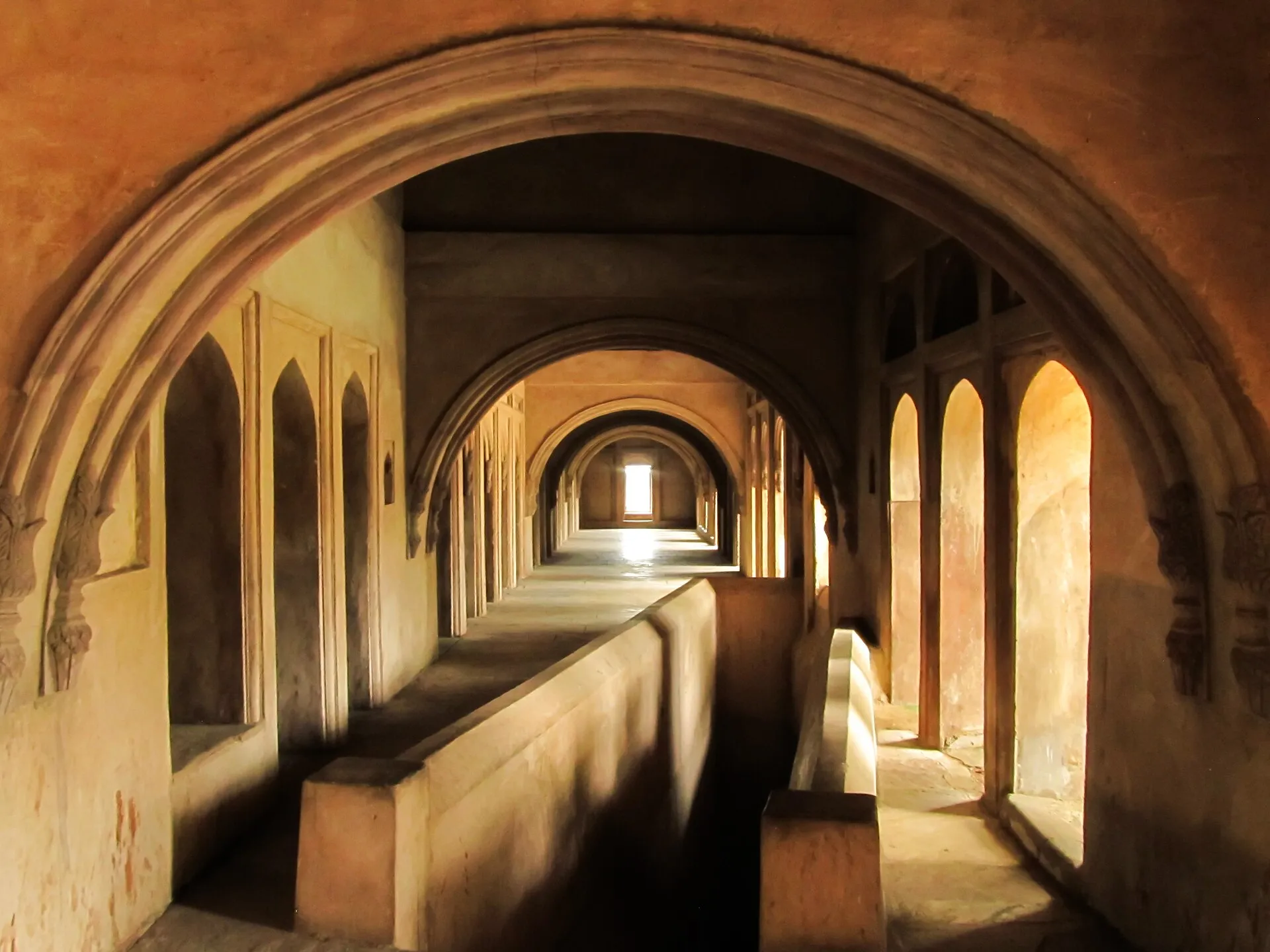
What else can you see near Jhansi Fort?
The fort pairs naturally with a few other sights in the old city:
- Rani Mahal. The palace associated with Rani Lakshmibai, built in the later half of the 19th century and now home to an archaeological museum. It is also ASI-protected. Read our Rani Mahal visitor guide.
- Jhansi Museum area. The fort can be reached from the Jhansi Museum bus stop, a useful landmark for auto-rickshaw drivers.
- The old city around the hill. Jhansi grew up as a town around the fort, so the streets below it are worth a short walk.
A sensible half-day plan is the fort in the morning, lunch, then Rani Mahal in the afternoon. Our two-day Jhansi itinerary adds Orchha and other nearby sights.
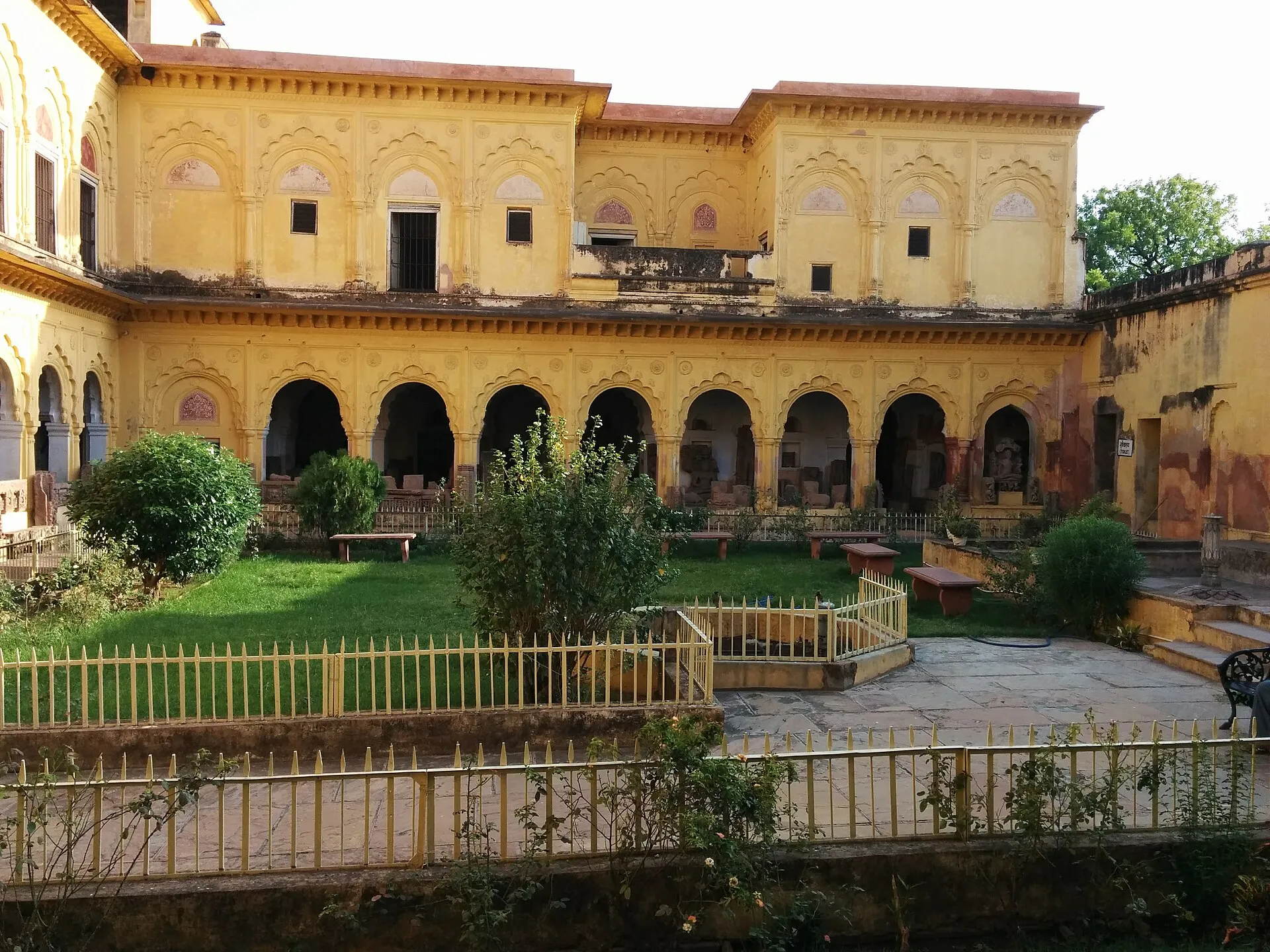
Where can you stay when visiting Jhansi Fort?
Hotel J P Farm is on Gwalior Road, Jhansi, near the Polytechnic and below the Gwalior Road Over Bridge. We have 15 AC rooms in 4 types, from Deluxe Rooms at ₹2,300 for one person and ₹2,500 for two (room only, before GST) to Family Rooms for up to four people, with free Wi-Fi, ample parking and an in-house multi-cuisine restaurant. Check-in is at 12:00 noon and check-out at 11:00 am, and every adult needs a photo ID.
For a sightseeing trip, many guests book breakfast with the room so they can leave early for the fort. You can compare rooms and book online, paying in full or a 30% advance by UPI, card or net banking. For directions or help planning your day, call or WhatsApp us on 9935677964 or 7525934333.
Frequently asked questions
Who built Jhansi Fort?
Raja Bir Singh Deo of Orchha built Jhansi Fort on Bangra hill during his reign of 1606 to 1627; Wikipedia gives the year as 1613. It was later expanded in the 18th century under the Maratha governor Naru Shankar.
What are the opening hours of Jhansi Fort?
Wikipedia lists the fort as open from 7 am to 6 pm. Hours for ASI monuments can change, so confirm on the official ASI website before your visit.
Is there an entry fee for Jhansi Fort?
The fort is an ASI-protected monument, and ASI charges separate rates for Indian and foreign visitors at its ticketed sites. Check the current fee on the official ASI website, since rates are revised from time to time.
How much time do you need at Jhansi Fort?
About two hours covers the main sights, including the Kadak Bijli cannon, the temples, the jumping spot and a walk along the ramparts. Add another two hours if you also want to see Rani Mahal on the same day.
Did Rani Lakshmibai really jump from Jhansi Fort on horseback?
A memorial board inside the fort marks the traditional spot of her jump. Historical accounts differ, though: Wikipedia notes one tradition of the jump and a British account that says she was lowered down. All agree that she escaped during the night of 4 to 5 April 1858.
What is the best time of year to visit Jhansi Fort?
October to March is the most comfortable, with mild days. Summer afternoons from April to June can be extremely hot, so visit at opening time if you travel then.
Is Jhansi Fort suitable for elderly visitors and children?
Yes, with some care. The paths include slopes, steps and uneven stone, so comfortable shoes and regular rest breaks help. Carry water, especially in summer.
Sources: Jhansi Fort, Wikipedia; Jhansi, Wikipedia; Rani Lakshmibai, Wikipedia; Jhansi Fort, District Jhansi (jhansi.nic.in); ASI Monuments of National Importance, Lucknow circle, Wikipedia; Archaeological Survey of India.
We run 15 rooms, 2 banquet halls, 2 garden lawns and a restaurant on Gwalior Road, Jhansi, and host weddings and parties every season. These guides come from what our guests ask us most.
Keep reading
Jhansi Travel
Best Time to Visit Jhansi: Weather Month by Month
Jhansi Travel
Rani Mahal, Jhansi: Visitor Guide


Jhansi Travel