
Two Days in Jhansi: A Simple Itinerary
Quick answer
Spend Day 1 in Jhansi city: Jhansi Fort in the early morning, Rani Mahal after lunch, and a park and Bundelkhandi dinner in the evening. Spend Day 2 in Orchha, about 18 km away on the Betwa, or in Datia. November to February is the most comfortable time for this plan.
Two days is the sweet spot for Jhansi. It’s enough to walk the ramparts of Jhansi Fort, stand in the painted Darbar Hall of Rani Mahal, and spend a full day among the palaces and riverside cenotaphs of Orchha, without rushing from one ticket counter to the next. Many travellers pass through Jhansi Junction on their way somewhere else; this plan is for those who want to stop and see it properly.
Below is a simple, realistic itinerary with timings, an alternative second day if you prefer Datia, a planning table, and practical notes on weather, getting around and where to stay. Historical details come from Wikipedia and the Jhansi district administration’s official site. Opening hours and ticket prices change, so check the official site before you go.
Is two days enough for Jhansi?
For most visitors, yes. Jhansi city’s two big sights, the fort and Rani Mahal, fit comfortably into one day with time left for a park and a good meal. Orchha, which Wikipedia places about 18 km from Jhansi on the Betwa river, needs a full second day to do justice to its palaces, temples and chhatris. If you have a third day, add Datia’s Bir Singh Deo Palace, or the Parichha dam on the Betwa for a quieter half day.
| Day | Morning | Afternoon | Evening |
|---|---|---|---|
| Day 1: Jhansi city | Jhansi Fort | Lunch, then Rani Mahal | Narayan Bagh or Atal Ekta Park, Bundelkhandi dinner |
| Day 2: Orchha | Raja Mahal and Jahangir Mahal | Ram Raja Temple, Chaturbhuj Temple | Chhatris on the Betwa at sunset, return to Jhansi |
| Day 2 alternative: Datia | Bir Singh Deo Palace | Pitambara Peeth | Return to Jhansi |
| Optional Day 3 | Parichha dam | Barua Sagar Tal | Departure |
Day 1, morning: Jhansi Fort
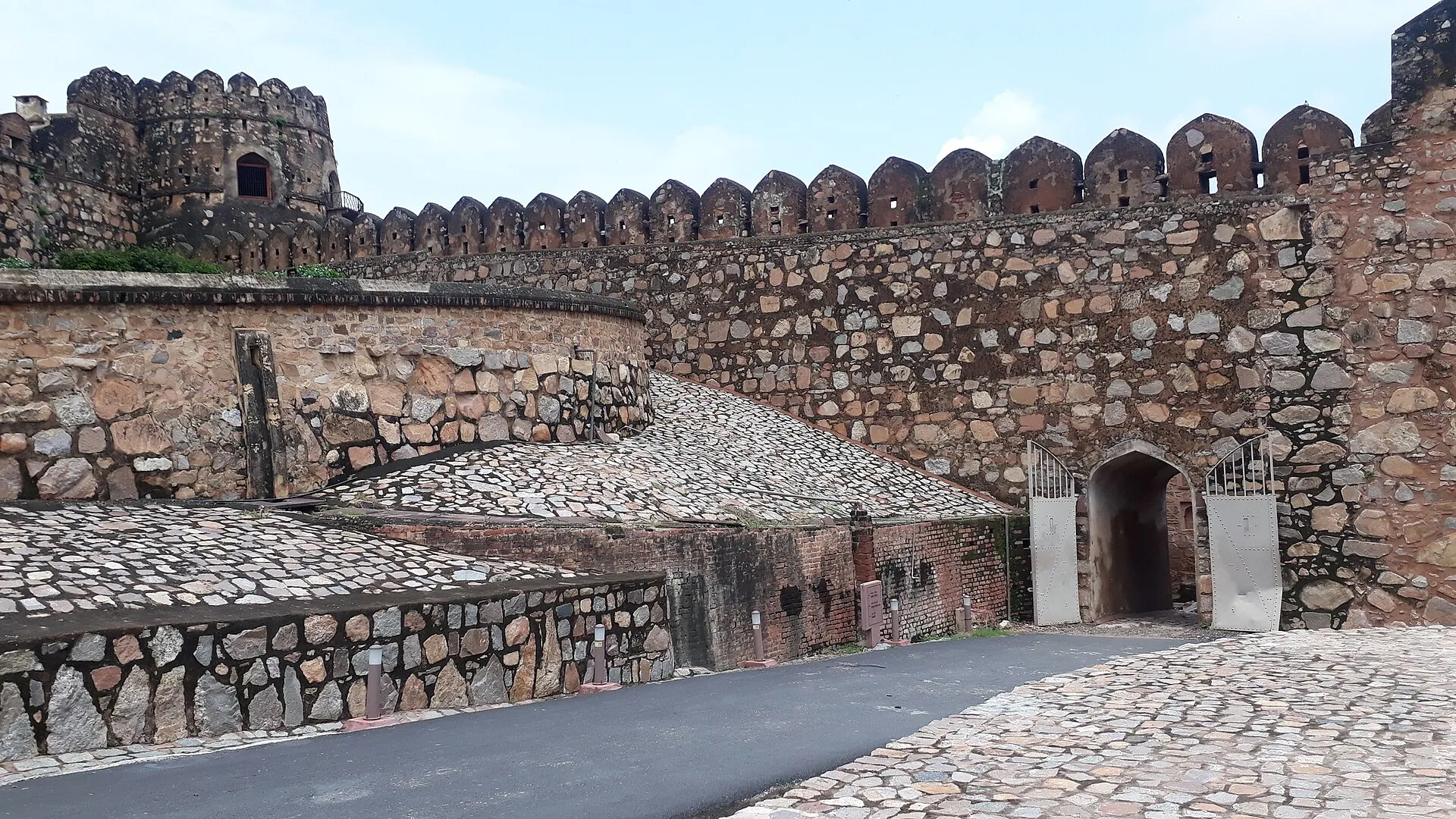
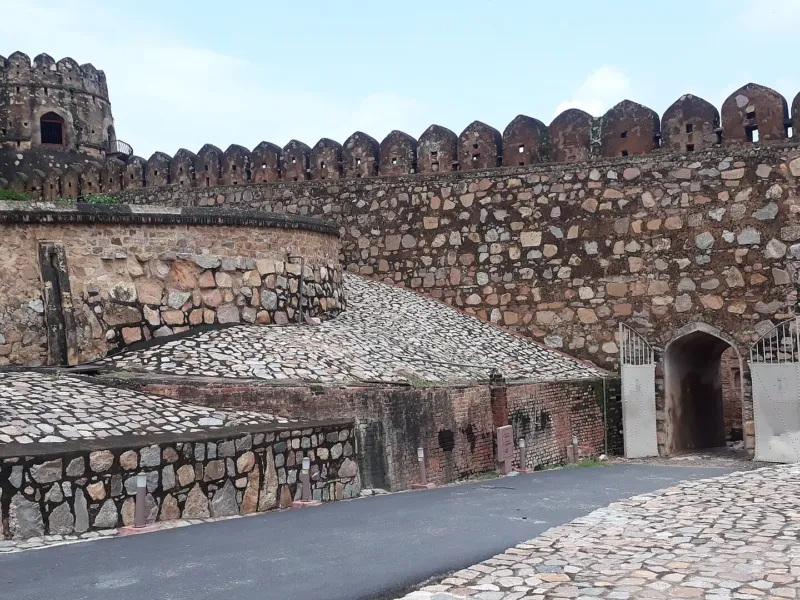
Start early. The fort sits on a rocky hill called Bangra in the heart of the city, and the climb is far more pleasant before the sun is high. The Jhansi district site credits Raja Bir Singh Ju Deo of Orchha, who ruled from 1606 to 1627, with building it. According to Wikipedia, it covers about 15 acres, measures roughly 312 m by 225 m, and has granite walls 16 to 20 feet thick.
Inside, look for:
- The Kadak Bijli cannon, used during the 1857 uprising.
- The Ganesh temple near the entrance and the Shiva temple inside.
- The Panch Mahal, to which the British later added a floor.
- The memorial board marking Rani Lakshmibai’s escape on horseback from the fort.
- Views over the old city and the walls that once had ten gates, including the Khanderao, Datia, Unnao, Laxmi, Sagar, Orchha, Sainyar and Chand gates.
Some context makes the walk more meaningful. Rani Lakshmibai, born Manikarnika Tambe in Varanasi, married Raja Gangadhar Rao of Jhansi in 1842. After the Raja adopted Damodar Rao on his deathbed in 1853, the East India Company annexed Jhansi in 1854 under the Doctrine of Lapse. In 1858, British forces under Hugh Rose besieged the city. Wikipedia records that the bombardment began on 22 March, the city was assaulted on 3 April, and the Rani escaped the fort around 4 April, riding towards Kalpi. She died fighting at Gwalior on 18 June 1858.
Allow two to three hours. Wikipedia lists the fort as open from 7 am to 6 pm; confirm current hours and tickets on the official site. For a deeper look, read our Jhansi Fort guide.
Day 1, afternoon: Rani Mahal
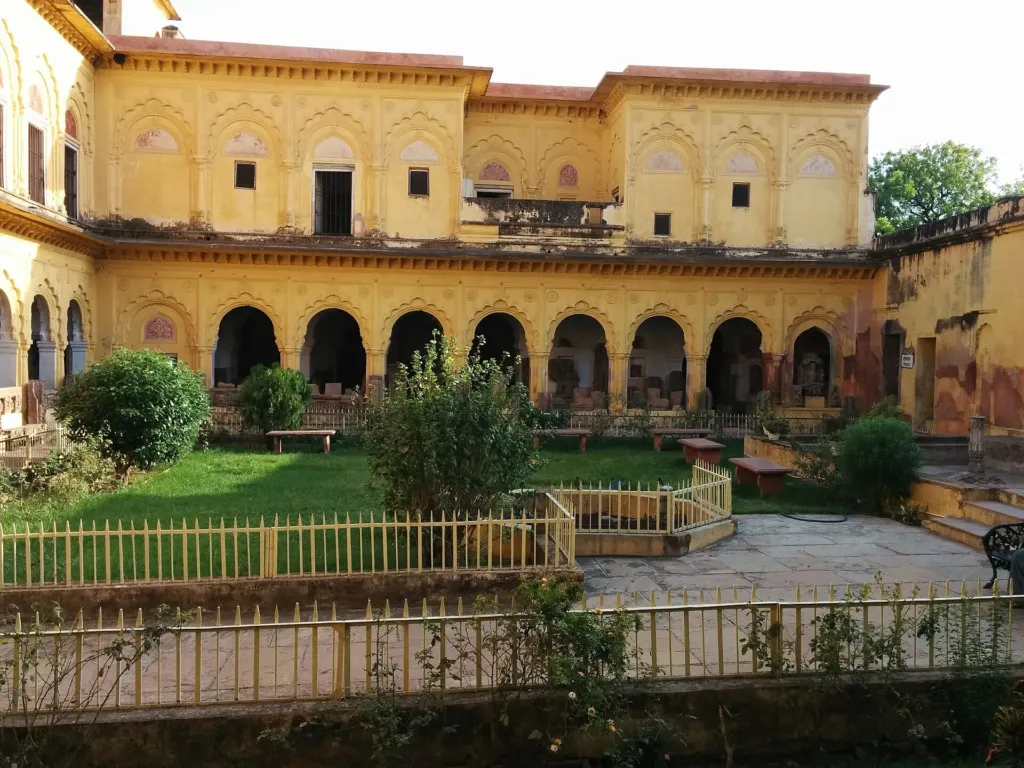
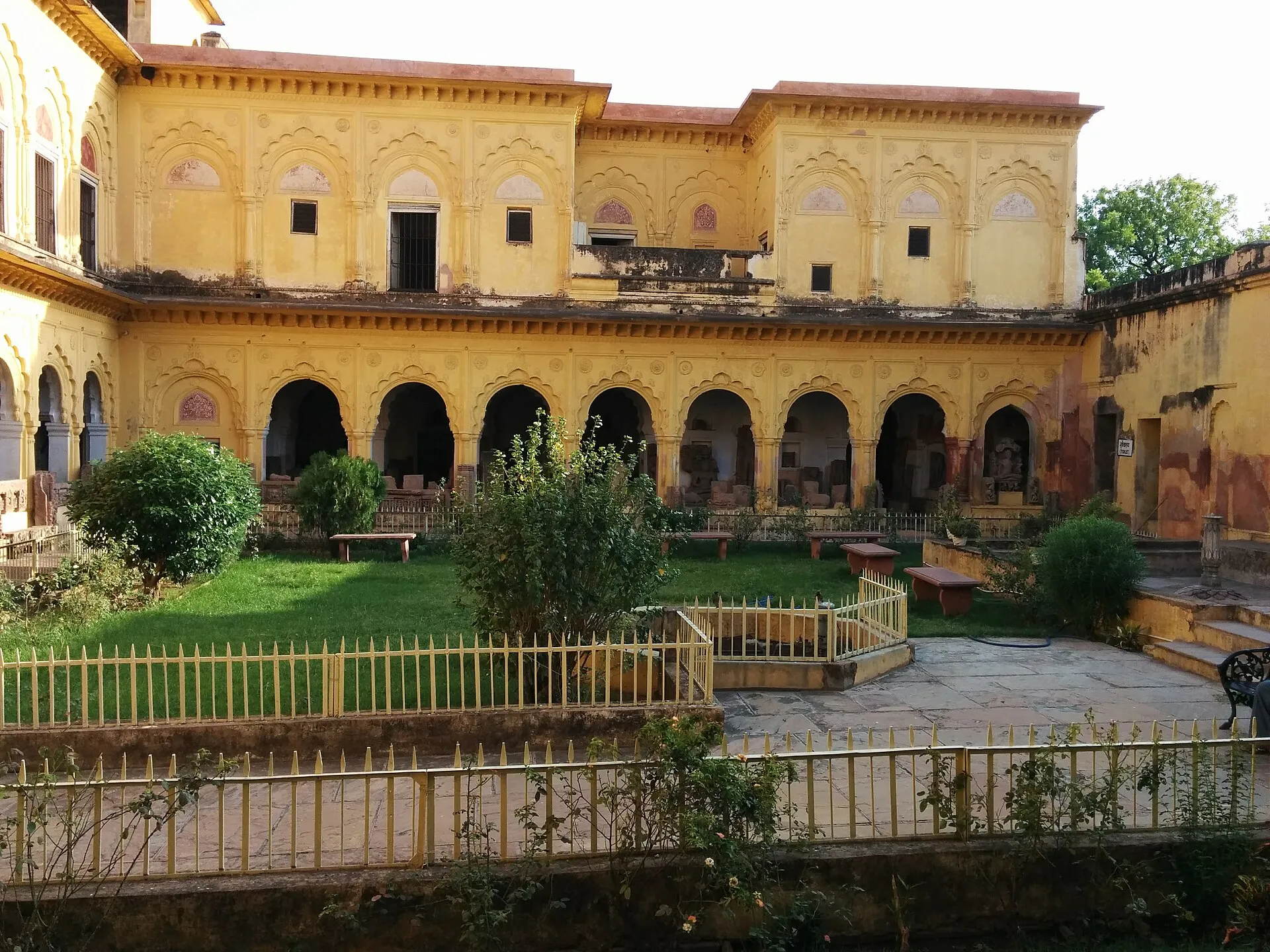
After lunch, head down into the old city to Rani Mahal. Wikipedia says it was built between 1769 and 1796 by Raghunath II of the Newalkar family, subedar of Jhansi. It became Rani Lakshmibai’s residence after the annexation forced her out of the fort, and much of it was damaged by British bombardment in 1858.
What to see:
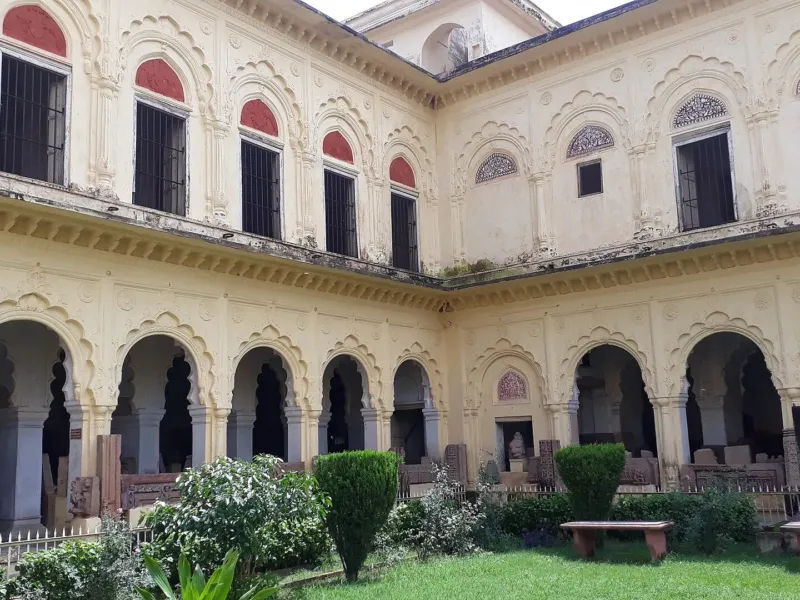
- A two-storeyed building with a flat roof, six halls and corridors of multi-foiled arches.
- A quadrangular courtyard with a small well on one side and a fountain on the other.
- The Darbar Hall upstairs, painted with floral, animal and geometric motifs, with peacocks and rosettes on the arches.
- Stone sculptures on the ground floor from Madanpur, Barua Sagar, Dudhai and Chandpur, dating from the 9th to the 12th centuries.
The district site notes that the Rani met the British lawyer John Lang here in 1854 during her legal fight against the Company, and that she declared, “Main apni Jhansi nahi doongi.” An hour is enough for Rani Mahal.
Day 1, evening: parks and Bundelkhandi food
Spend the late afternoon at a green space. Narayan Bagh is a government garden with a wide range of plants and flowers. Atal Ekta Park in Civil Lines has a large library set inside the park. If you’re a sports fan, the district site also lists the Major Dhyanchand Museum, honouring the hockey legend who settled in Jhansi.
For dinner, try local Bundelkhandi dishes. Our guide to Bundelkhandi food in Jhansi lists what to order.
Day 2: a full day in Orchha
Orchha is just across the state border in Madhya Pradesh. Wikipedia credits its founding in the early 16th century to Rudra Pratap Singh, who also built its fort on a seasonal island in the Betwa river. Leave Jhansi after breakfast so you reach before the day gets warm.
- Raja Mahal: the most noteworthy building in the fort complex.
- Jahangir Mahal: described on Wikipedia as a singularly beautiful example of Mughal-influenced architecture.
- Ram Raja Temple: a square-based temple with a plain exterior, at the heart of town life.
- Chaturbhuj Temple: known for one of the tallest vimanas among Hindu temples.
- Lakshmi Temple, if you have time and energy.
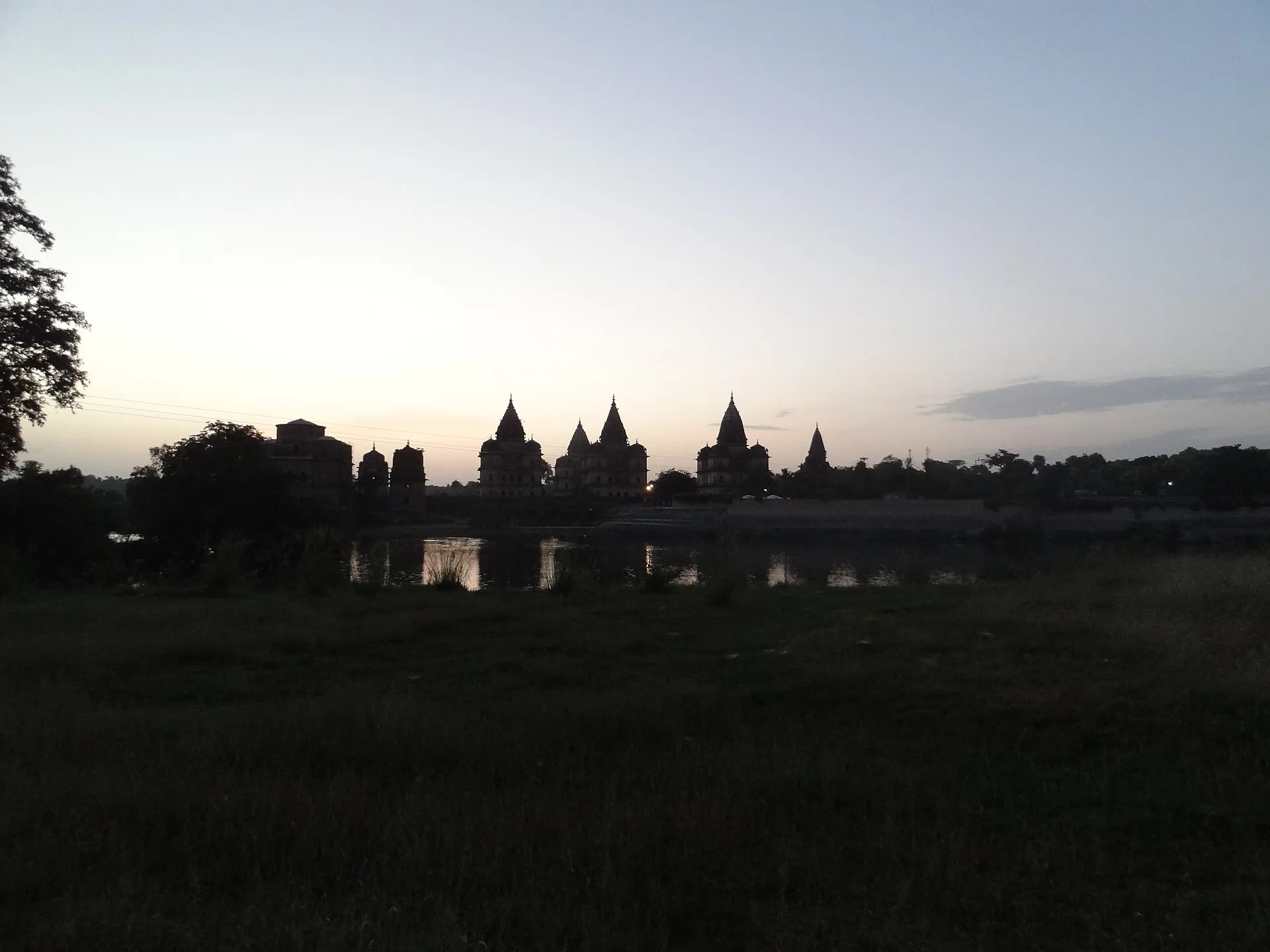
- The chhatris (cenotaphs) along the Betwa, best in the late afternoon light.
Return to Jhansi by evening. Our Orchha day trip guide has a detailed route through the town.
Alternative Day 2: Datia
If you’ve already seen Orchha, or you’re interested in temples and palaces of a different style, go to Datia instead. Its Bir Singh Deo Palace, also called Satkhanda Palace, was commissioned by Raja Bir Singh Deo in 1614 and stands seven storeys high on a rock on the western side of the town. Datia is also home to Pitambara Peeth, a Shakta peeth dedicated to Goddess Baglamukhi. Datia station is on the Gwalior-Jhansi main line, so the train is an option as well as the road.
What is the best time of year for this itinerary?
Jhansi has hot summers and pleasant winters. Wikipedia’s 1991 to 2020 averages show mean daily maximums of 22.8°C in January and 42.5°C in May, with most of the year’s rain falling in July and August.
| Months | Average max / min (°C) | Verdict |
|---|---|---|
| November to February | 22.8 to 30.1 / 8.6 to 14.8 | Best for long sightseeing days |
| March and October | 33.9 to 34.3 / 17.3 to 20.3 | Good, start early |
| April to June | 39.7 to 42.5 / 23.2 to 27.9 | Very hot; sightsee in early morning only |
| July to September | 32.3 to 34.2 / 23.9 to 25.6 | Rainy and green; carry an umbrella |
Jhansi Mahotsav is held every year in January and February. If you’d like to catch it, check the dates with the district administration.
How do you get to Jhansi and get around?
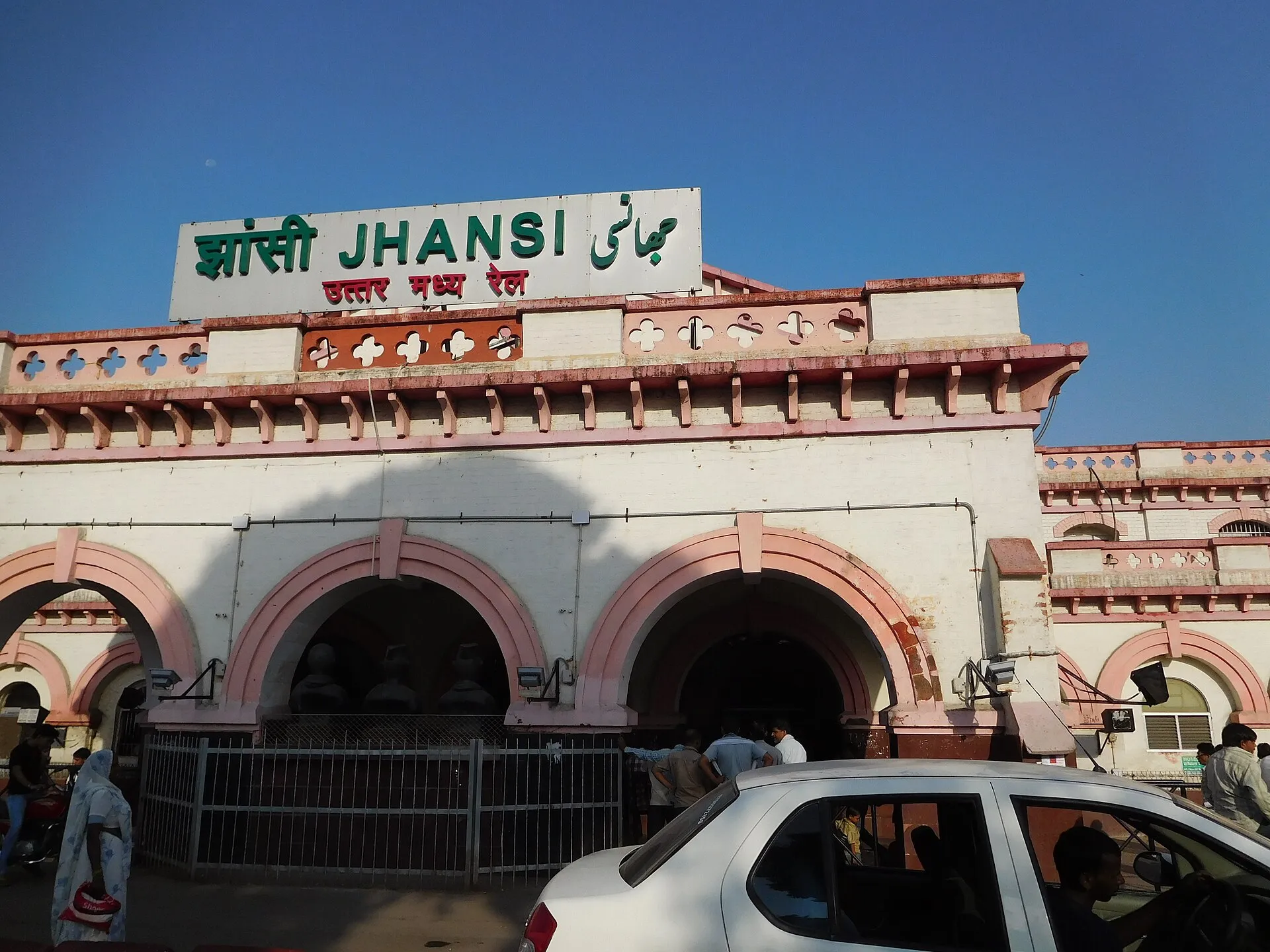
- By train: Jhansi Junction (station code VGLJ) is on the Delhi-Chennai and Delhi-Mumbai main lines in the North Central Railway zone, with direct trains from Delhi, Mumbai, Chennai, Agra, Bhopal and Gwalior.
- By air: the district site gives Gwalior as the nearest airport, about 103 km away. There are no civil flights from Jhansi’s airstrip.
- By road: Jhansi sits on NH 44 and NH 27 among others, with road links to Agra, Khajuraho, Delhi, Kanpur and Lucknow.
- Getting around: autos and taxis cover the city. For Orchha or Datia, hire a taxi for the day and agree the fare and the state-border crossing in advance.
Full details are in our guide on how to reach Jhansi by train, road and air.
Where should you stay for a two-day trip?
Choose a base that makes both the city and the highway easy. Hotel J P Farm is on Gwalior Road in Jhansi, in front of Gwalior Road Police Chowki, near Polytechnic and below the Gwalior Road Over Bridge. We have 15 AC rooms in four types, free Wi-Fi, ample parking for your taxi or car, and an in-house multi-cuisine restaurant with room service, which helps after a long day out.
| Room | Best for | Rate per night, room only, before GST |
|---|---|---|
| Deluxe Room | Solo travellers and couples | ₹2,300 for 1, ₹2,500 for 2 |
| Executive Room | Couples wanting more space | ₹3,200 for 1, ₹3,500 for 2 |
| Family Room | Families of 3 or 4 | ₹4,199 to ₹4,999 |
| Premium Room with Jacuzzi | Couples on a getaway | ₹7,000 for 1, ₹7,500 for 2 |
Breakfast adds ₹500 per person per night (the Family Room has its own breakfast-inclusive rates), and GST is 5% on these tariffs. Check-in is at 12 noon and check-out at 11 am, and every adult needs photo ID. You can compare and book our rooms online, paying in full or a 30% advance by UPI, card or net banking.
“Wonderful hotel. Tasty food. And room is very spacious”
Suman Garg, Google review
Practical tips for two days in Jhansi
- Do the fort first thing on Day 1; the climb and open ramparts get hot by midday for much of the year.
- Wear comfortable shoes with grip for the fort and Orchha’s palace stairs.
- Carry water, a cap and sunscreen, even in winter.
- Remove shoes at temples and follow photography rules at each site.
- Keep photo ID handy for hotel check-in and for any site that asks.
- Check opening hours and ticket prices on the official site before each visit.
Frequently asked questions
What can I see in Jhansi in two days?
Spend Day 1 in the city at Jhansi Fort and Rani Mahal, with an evening at Narayan Bagh or Atal Ekta Park. Spend Day 2 in Orchha, about 18 km away on the Betwa, seeing Raja Mahal, Jahangir Mahal, the temples and the riverside chhatris. Swap Orchha for Datia if you prefer.
How much time do I need at Jhansi Fort?
Allow two to three hours to walk the ramparts, see the Kadak Bijli cannon, the temples and the Panch Mahal, and read the history. Go early in the morning to avoid the heat on the climb.
Can Orchha be done as a day trip from Jhansi?
Yes. Orchha is about 18 km from Jhansi according to Wikipedia, so a day trip is easy by taxi. Leave after breakfast and return after sunset at the chhatris.
Which is better for Day 2, Orchha or Datia?
Orchha has more to see: palaces, several temples and the chhatris on the Betwa. Datia suits travellers interested in the seven-storeyed Bir Singh Deo Palace and the Pitambara Peeth temple. If you have three days, see both.
What is the best month to visit Jhansi?
November to February is best, with average maximums between about 23°C and 30°C. March and October are fine if you start early. April to June is very hot, with May averaging 42.5°C.
Where should I stay in Jhansi for sightseeing?
Stay somewhere with easy road access, parking and food on site. Hotel J P Farm on Gwalior Road has 15 AC rooms from ₹2,300 a night before GST, an in-house restaurant and free Wi-Fi. Call or WhatsApp 9935677964 or 7525934333 to book.
Sources: Wikipedia: Jhansi Fort, Wikipedia: Rani Mahal, Wikipedia: Rani of Jhansi, Wikipedia: Jhansi, Wikipedia: Orchha, Wikipedia: Datia, Wikipedia: Datia Palace, jhansi.nic.in: Jhansi Fort, jhansi.nic.in: Palace of Rani Lakshmi Bai, jhansi.nic.in: Tourist places
We run 15 rooms, 2 banquet halls, 2 garden lawns and a restaurant on Gwalior Road, Jhansi, and host weddings and parties every season. These guides come from what our guests ask us most.
Keep reading
Jhansi Travel
Best Time to Visit Jhansi: Weather Month by Month

Jhansi Travel
Rani Mahal, Jhansi: Visitor Guide
Jhansi Travel